
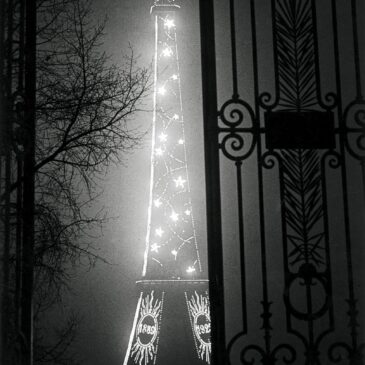
Paris, the city of light, love, and enduring artistic allure, has long captured the hearts of poets, writers, and visual storytellers. Among these interpreters of the city’s ineffable charm, the photographers of Bassai have emerged as distinct voices, blending a reverence for tradition with an innovative touch. Through their unique lens, Paris transforms into a tableau of contrasts: a city at once timeless and transient, romantic and raw, poised between the grandeur of history and the pulse of modernity.
A Philosophy of Observation
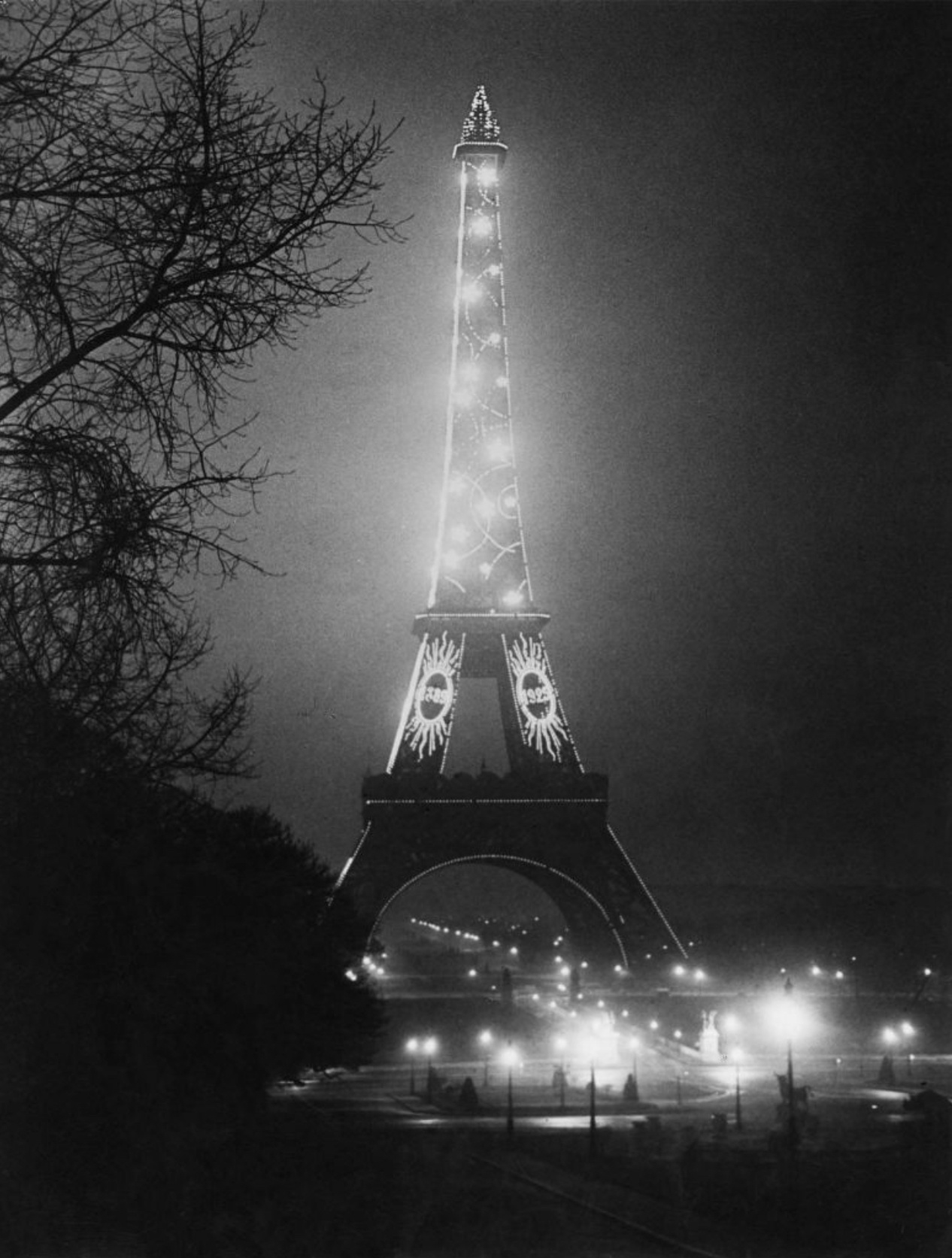
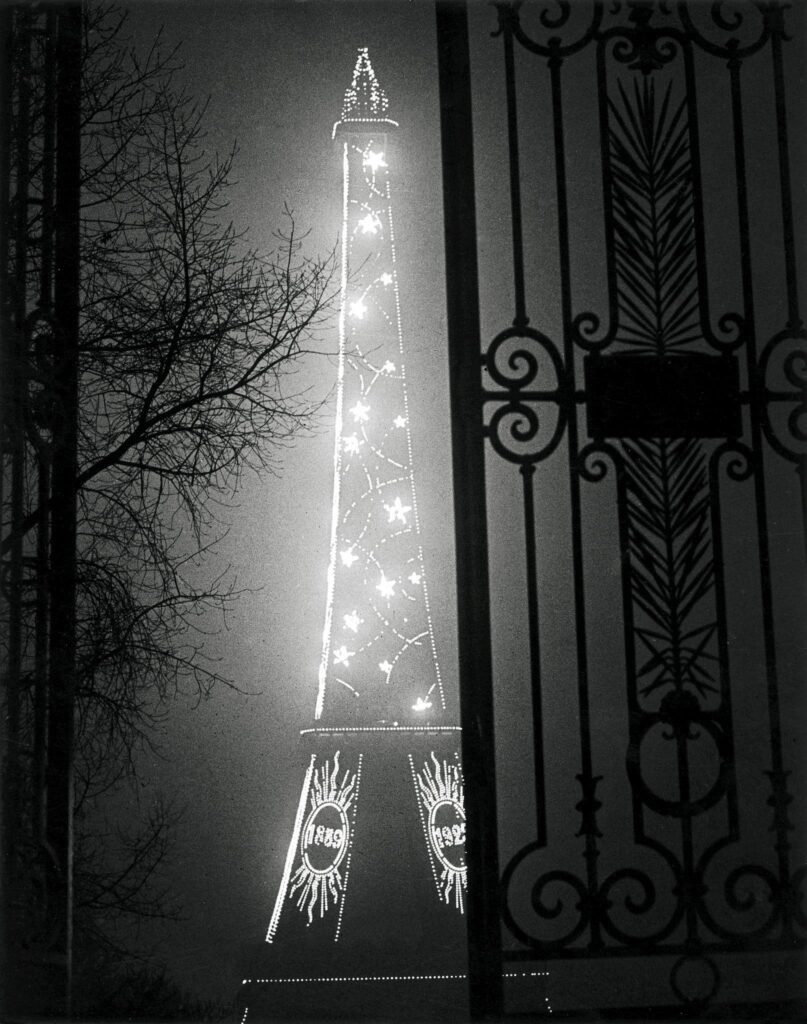
Bassai photography—a term derived from the Greek word “βάσανος,” meaning a process of refinement—offers an artistic ethos focused on meticulous observation. For photographers inspired by the Bassai approach, Paris becomes not merely a subject but a living organism, its moods shifting with the light and the rhythm of its inhabitants. The narrow alleys of Le Marais, the monumental elegance of the Eiffel Tower, and the ephemeral reflections on the Seine are not just captured but interpreted, layered with meaning that transcends the literal.
The Parisian Landscape as Muse
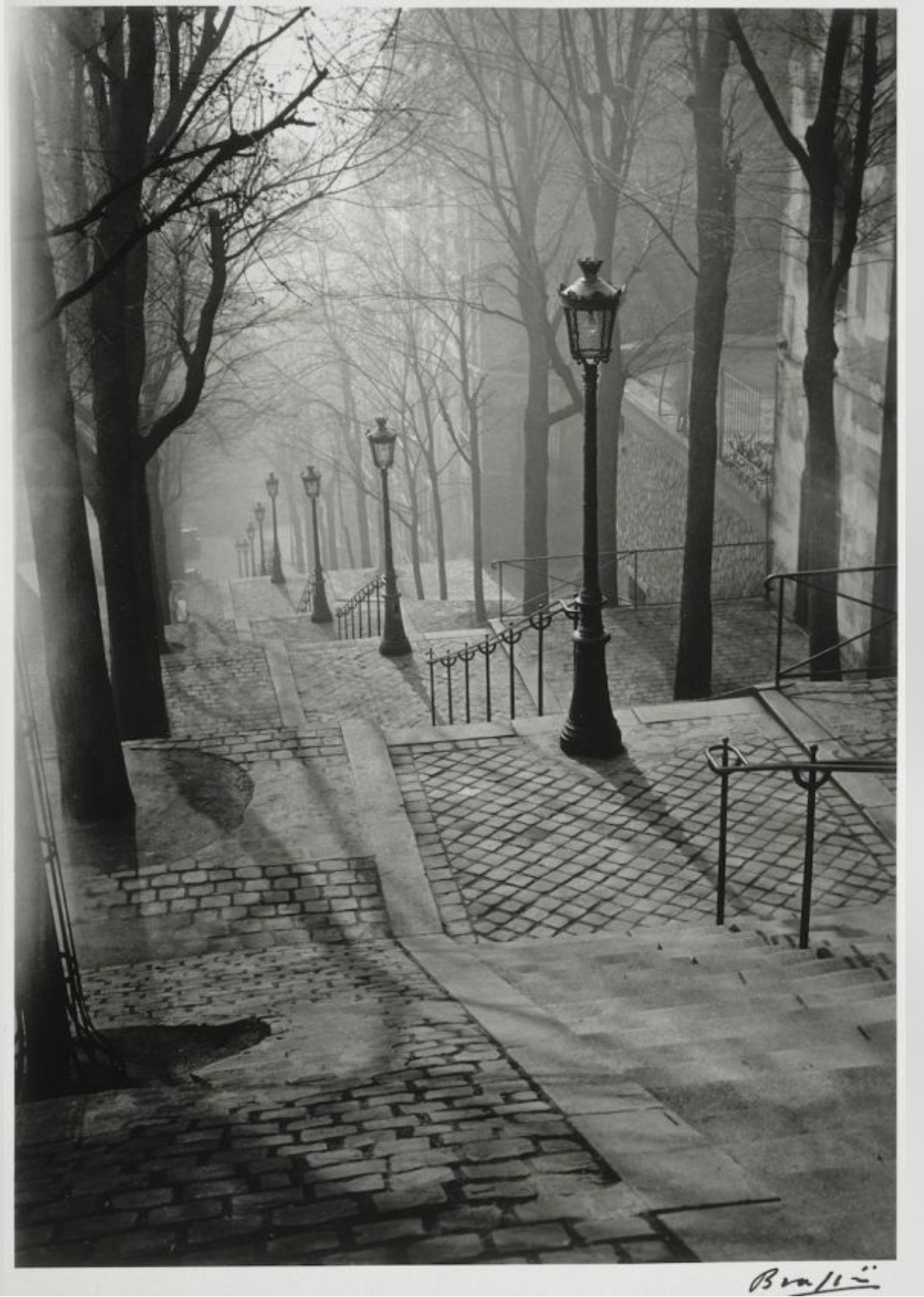
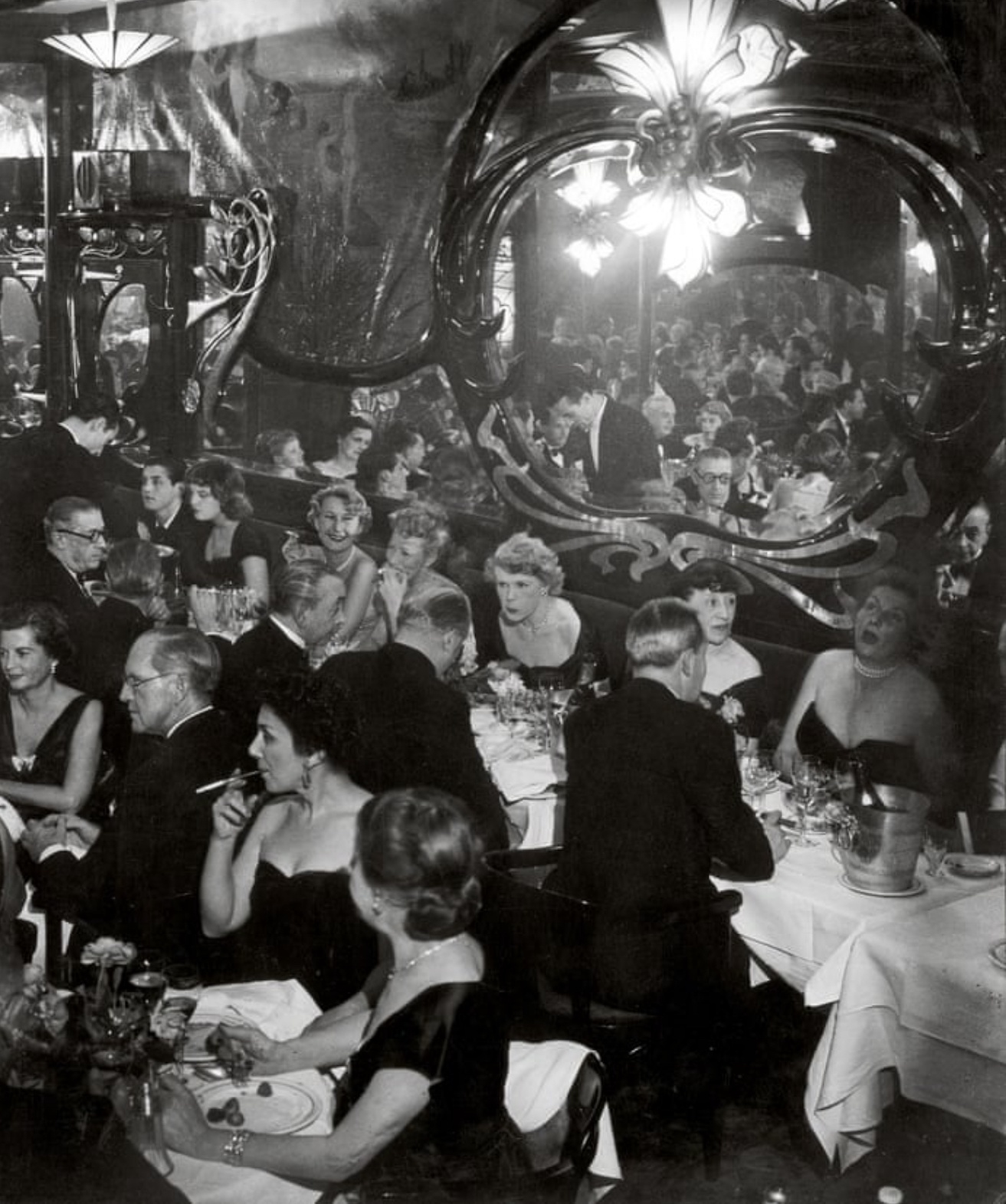
Through the lens of Bassai photography, Paris is not just a series of iconic landmarks but a city alive with texture and nuance. Here, the play of light on Haussmannian façades becomes an interplay of shadow and geometry, revealing a structured elegance that anchors the city’s chaos. The bustling cafés, where writers once scribbled away at masterpieces, are depicted as vibrant theaters of human connection, their motion blurred to suggest the energy of fleeting moments.
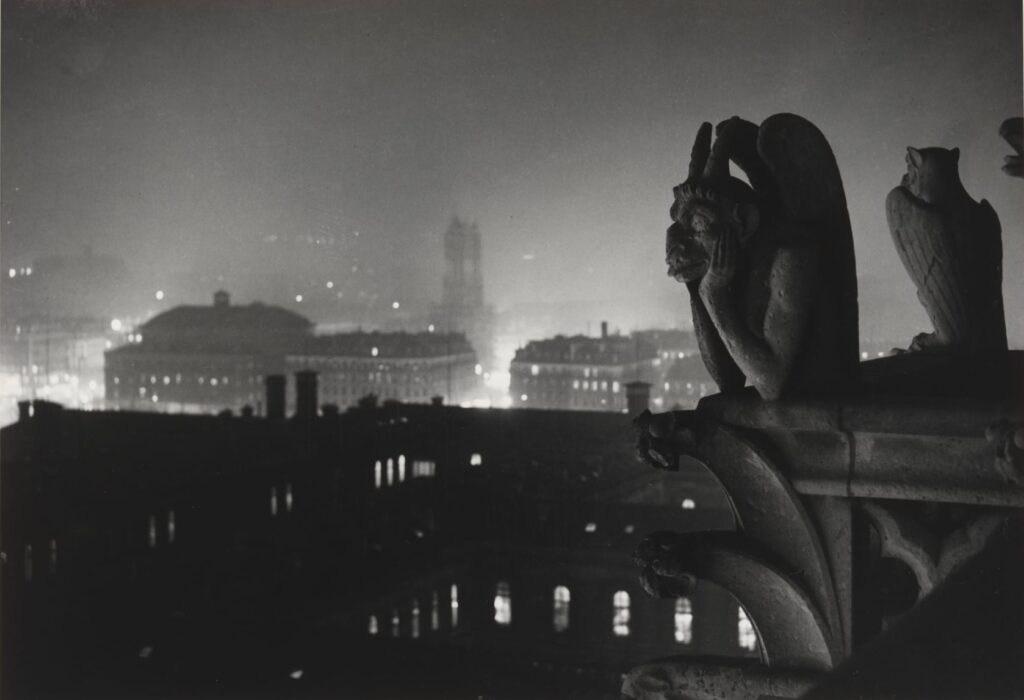
In black-and-white compositions, Bassai photographers evoke the nostalgia of Paris’s storied past, recalling the spirit of Henri Cartier-Bresson or Brassaï, while contemporary color photography embraces the vibrancy of today’s multicultural metropolis. The richness of these palettes allows for layered storytelling: a flower vendor on Rue Cler may contrast with the sleek, glassy modernity of La Défense in the distance, creating an image that speaks of both permanence and change.
Brassaï: A Brief Biography
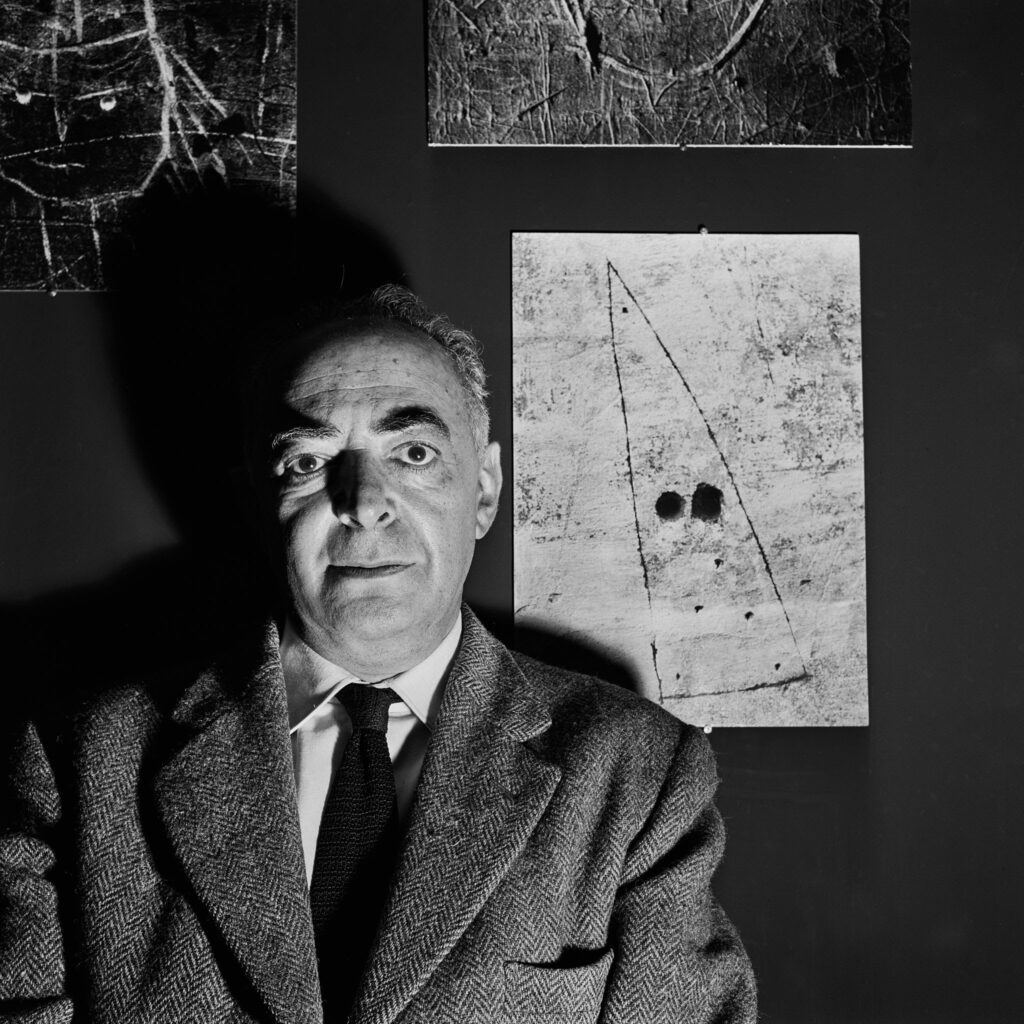
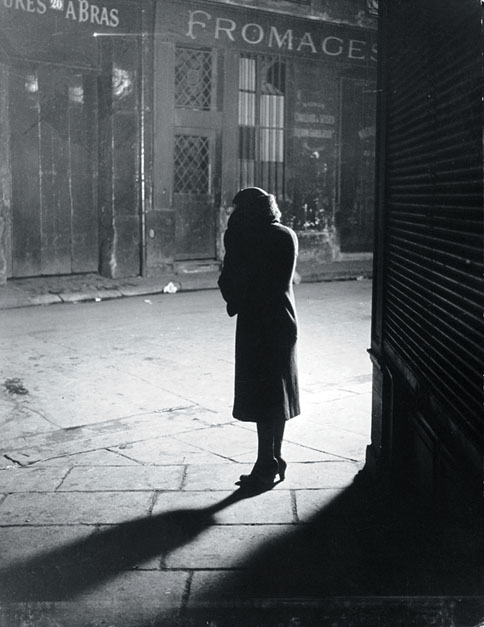
Brassaï was born Gyula Halász in 1899 in Brassó (now Brașov, Romania) and moved to Paris in 1924, a city that would become both his home and lifelong subject. Trained initially as a painter and working as a journalist, he turned to photography around 1930, encouraged by friendships within Paris’s vibrant artistic circles. Adopting the name “Brassaï,” meaning “from Brassó,” he began documenting Paris after dark, developing innovative techniques for night photography at a time when it was technically demanding and artistically rare. His groundbreaking book Paris de Nuit (1933) established him as a major figure in 20th-century photography. Beyond photography, Brassaï was also a writer, sculptor, and filmmaker, maintaining close relationships with artists such as Pablo Picasso and the Surrealists. He lived in France until his death in 1984, leaving behind a body of work that forever shaped how Paris—and urban life itself—is visually understood.
People at the Heart of Paris
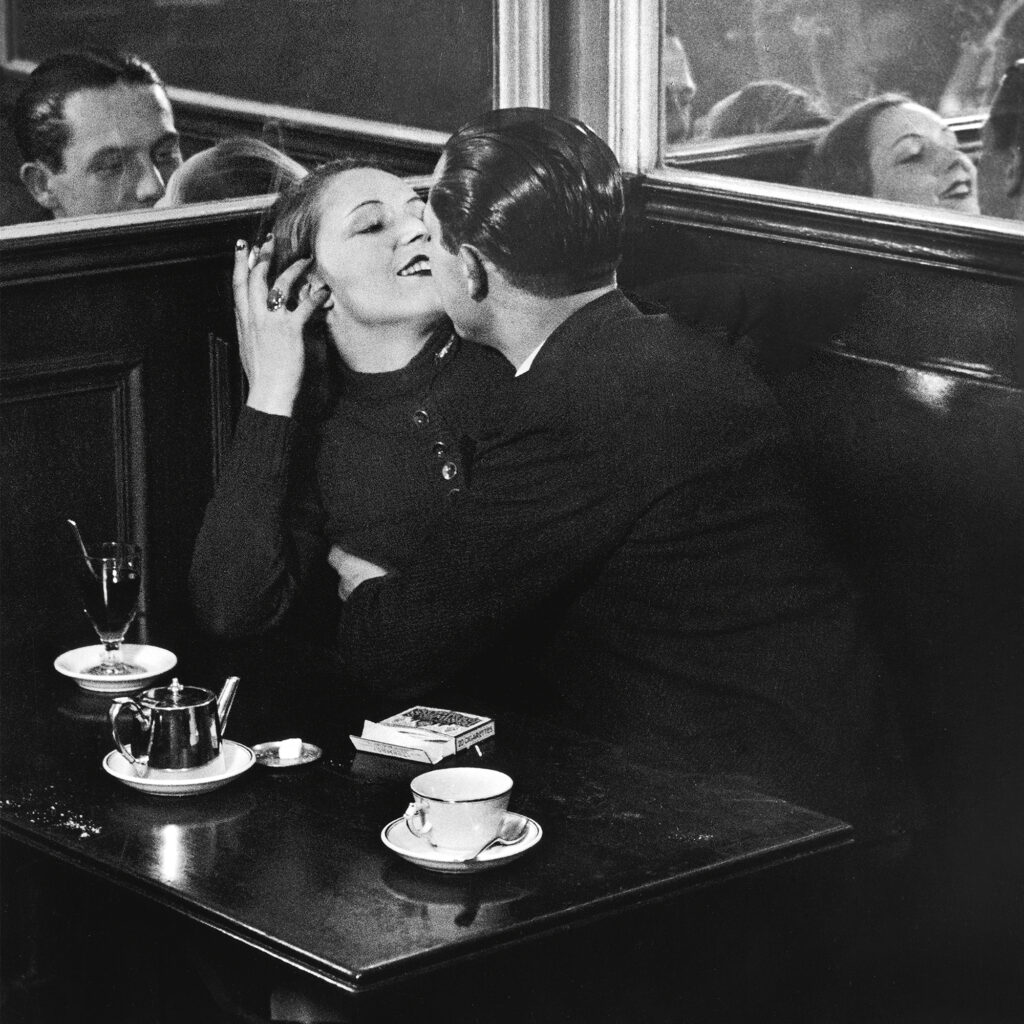
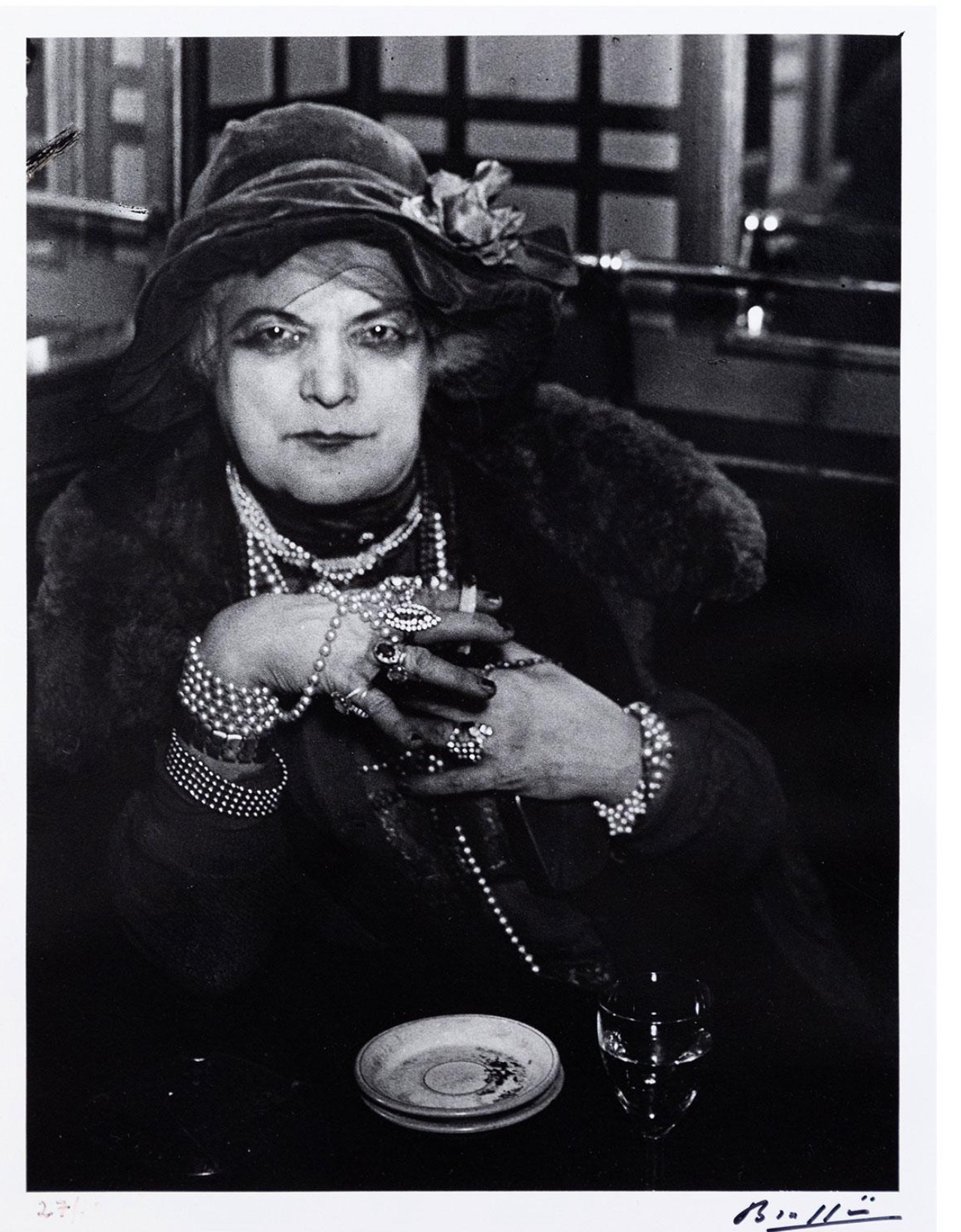
What sets Bassai photography apart in its interpretation of Paris is its focus on the people who animate the city. Parisians, whether elegantly strolling along the Seine or absorbed in conversation on a park bench, are rendered with an intimacy that feels universal. A child chasing pigeons in Place des Vosges, an elderly man reading a newspaper by the Canal Saint-Martin, or a street performer juggling fire near Sacré-Cœur—all are given a quiet dignity through the Bassai lens.

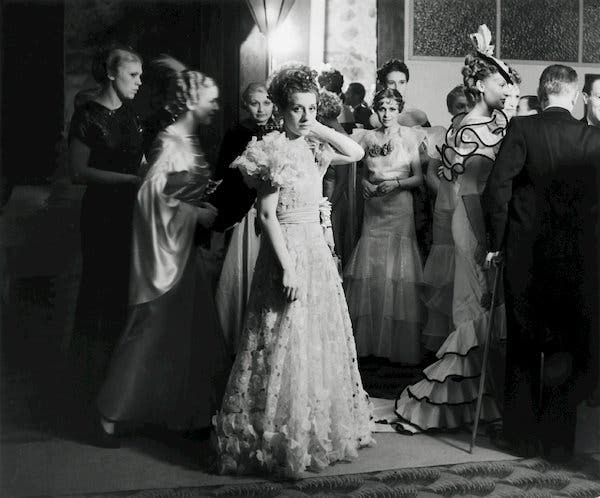
Such portraits suggest that while Parisian culture is steeped in the past, it is constantly reinvented by its people. The photographers’ keen eye captures this dynamism in gestures and fleeting expressions, celebrating the humanity that breathes life into this legendary city.
Bassai’s Influence on the Parisian Aesthetic
Bassai photography, while rooted in tradition, is a philosophy adaptable to modern tools and sensibilities. Its practitioners often explore mixed media, incorporating film grain, digital overlays, or experimental printing techniques to push the boundaries of how Paris can be represented. The result is a dialogue between the city’s visual legacy and contemporary creativity, offering viewers a new way to see an old city.
The influence of Bassai photography extends beyond artistic circles, impacting Parisian design, fashion, and even urban planning. Its images have graced magazine covers, museum exhibitions, and city branding campaigns, each one a reminder of the city’s multifaceted identity.
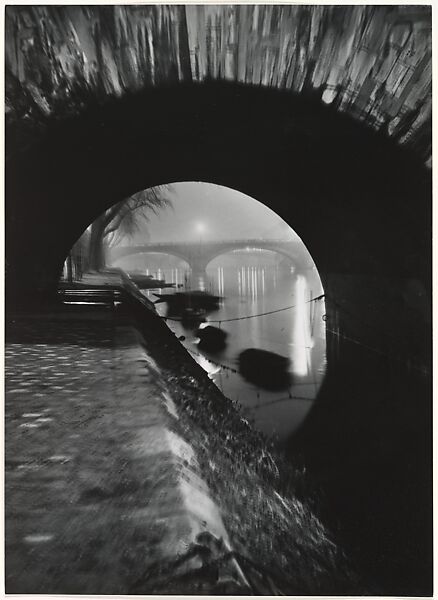
Highlights of Brassaï’s Work
-
“Paris vue de Notre Dame” (1933) – A breathtaking night view from Notre Dame, encapsulating the city’s romantic and mysterious aura.
-
“Boulevard Montparnasse” (1932) – An intimate portrayal of Parisian street life.
-
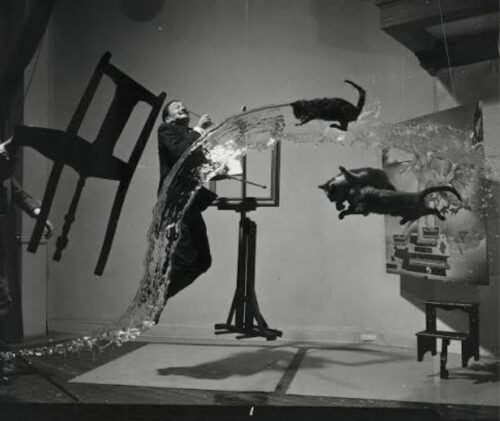
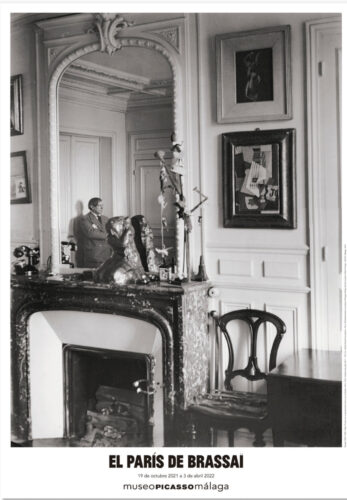
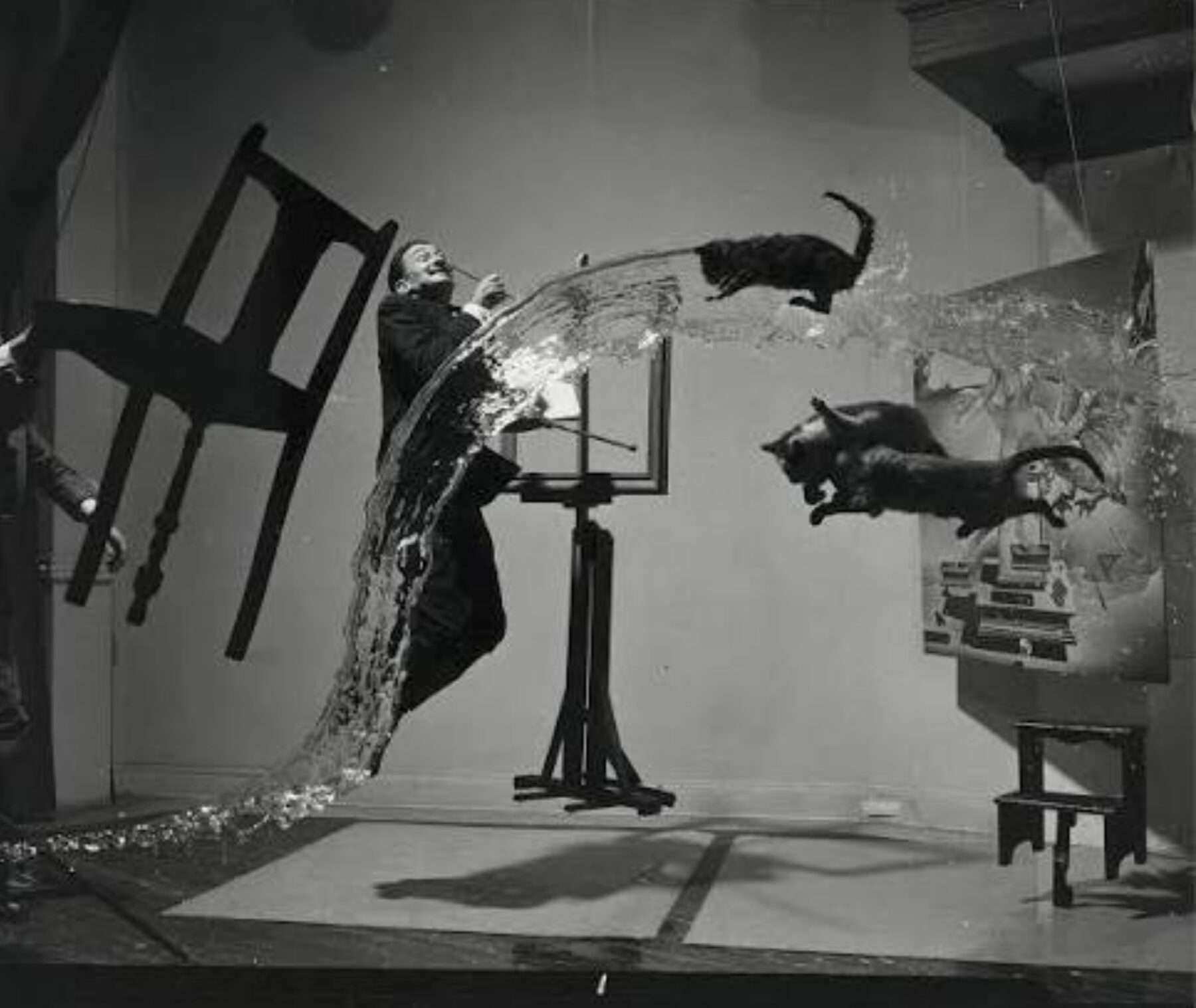
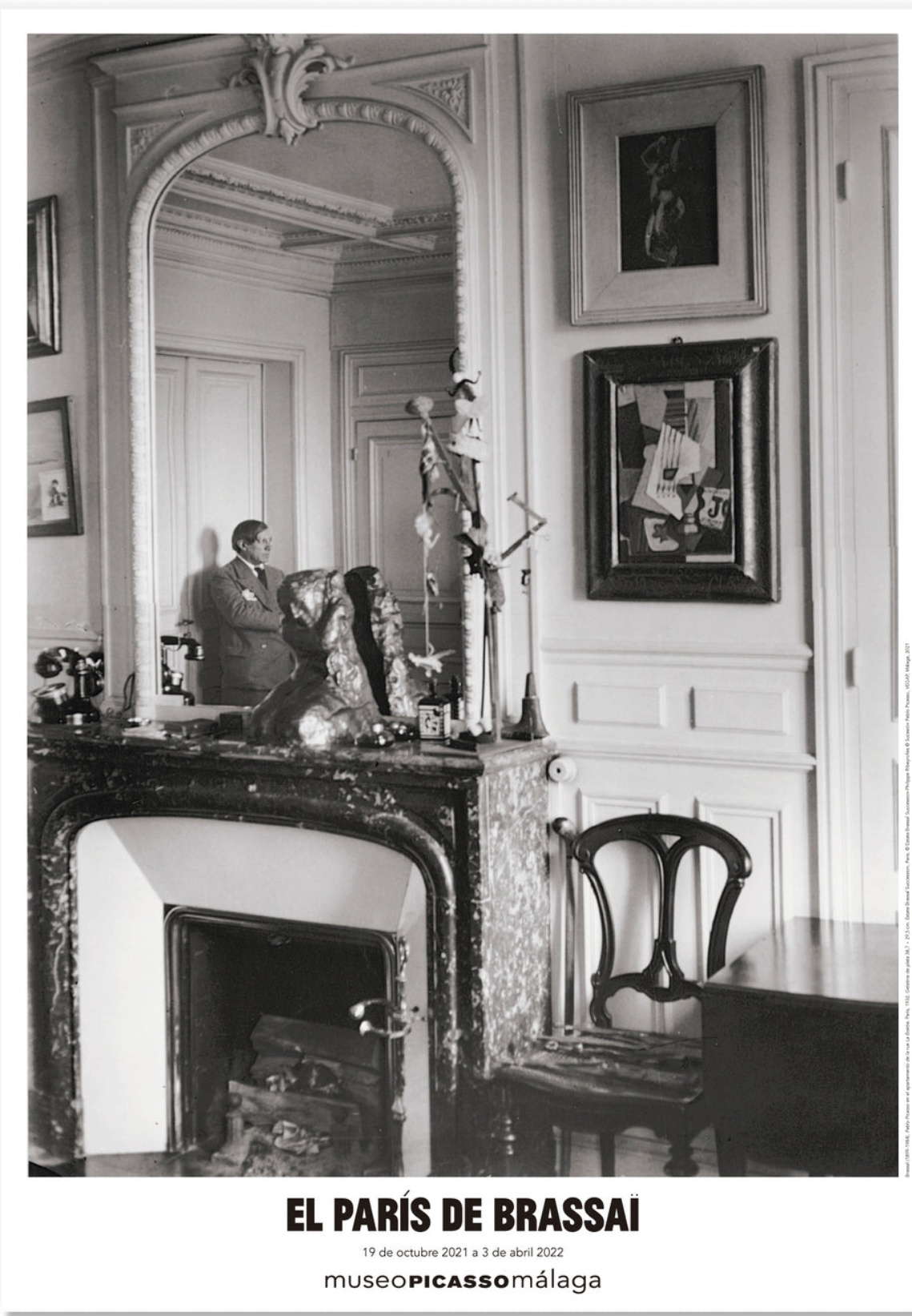
Portraits of Picasso and Dalí – Brassaï also captured intimate moments with luminaries like Salvador Dalí and Pablo Picasso, offering glimpses into their personal worlds.
Legacy and Impact
Brassaï’s art is celebrated for its ability to find beauty in the overlooked. His works not only immortalize a particular Parisian era but also reflect his own identity as an outsider—a Hungarian immigrant—offering a fresh perspective on a city already steeped in romantic mythos. His influence endures in exhibitions worldwide, with retrospectives held at institutions such as MoMA and Centre Pompidou.
For a closer look at Brassaï’s work, you can explore:
-
Holden Luntz Gallery: A detailed overview of Brassaï’s Parisian oeuvre.
-
MonoVisions: An exhibition of his vintage prints, showcasing iconic images like “Young Prostitute near Place d’Italie”.
-
Artsy: Insights into Brassaï’s diverse subjects, from Parisian graffiti to surrealist portraits.
Conclusion: Paris as a Canvas, Bassai as the Brush
Paris, through the lens of Bassai photography, emerges as a city of infinite interpretations. It is a place where history whispers from every cobblestone but also where each passerby contributes to the city’s evolving story. The photographers inspired by the Bassai tradition do not merely document Paris—they collaborate with it, offering a vision of the city that is as complex and captivating as the city itself.
In their work, Paris is not simply a destination; it is an experience, a memory, and a dream. Through Bassai photography, the city becomes what it has always been at heart: a muse for the ages.